
On the human side of cross-border practice, and how to instruct me
If you live in London, New York, Madrid or Dubai, your life is probably wider than the map your advisers were originally trained for.
Perhaps you live in London or San Francisco with a second house in Andalusia or Tuscany. A divorced child who has moved to the Gulf for work. Another who has settled in Mexico City with their partner and your grandchildren. An apartment in Miami, a family business with operations in two or three countries, private investments in several jurisdictions. And, to add complexity to the future, a will that works perfectly under English law and not at all in continental Europe.

This is the world I have spent twenty-five years working in. One week I am in chambers in London, the next in a notary’s office in Madrid, the week after that on a call with attorneys in New York or sitting in a majlis in the Gulf. What I have learned, going between these places, is that the law as it appears in textbooks is a system of codes, statutes and instruments — and that the law as it is lived, between jurisdictions, across families, over generations, is a deeply human drama.
The name of this blog is The International Private Client, and each part of it is deliberate.
The private client market is still largely selling structures designed for a different era. Trusts, foundations, multi-tier holdings made sense when opacity was lawful and clients were a handful of dynastic families; today, with CRS, FATCA, beneficial ownership registers and DAC6 reshaping the landscape, much of that product line solves problems that no longer exist. Meanwhile the real growth market — the roughly £500k–£5m cross-border family with one parent in Madrid, children at university in London, a flat in Bogota and an account in Dubai — sits underserved, bouncing between three or four advisers who rarely speak to each other.
The traditional model still tends to lead with the structure rather than the person, asking what to wrap before asking who the client actually is. And the wealth that is genuinely moving now is first-generation, internationally mobile, often Latin American, Gulf or Asian — a client base the polite, Anglo-Saxon, family-seat model of private client practice is only beginning to catch up with.
The thesis that runs through this blog is simple: a human-centred approach belongs at the heart of private client work, and the further your life travels across borders, the more visible that necessity becomes.
International Private Client Counsel is my profession. I am a barrister of England and Wales, an Abogado of the Madrid Bar (ICAM) and a European Lawyer of the King’s Inns in Dublin. I started my training with my father in Jerez de la Frontera, cut my teeth in the late 1990s in Southampton KPMG’s Owner-Managed Business team and at Deloitte Private Clients, where I learned the tax-technical foundations of advising private clients and their families.

The years that followed took me across the United Kingdom, the European Union, the United States and the GCC, including a meaningful chapter living in the Gulf as in-house counsel to a state-owned entity. My own family’s roots run through Spain and Colombia; my children live and work in England. I do not only advise on these lives — I live one.
Sitting between the English Bar and the Madrid Bar means sitting at the meeting point of two very different ways of seeing the world. The Common Law tradition is brilliant at protecting property and commercial interests, but can be surprisingly narrow when it comes to the person. The Civil Law tradition — Spain, France, Italy, the codes of Latin America, the Arab civil codifications — is rooted in an older, human-centred conception of law. It places a higher value on the family unit, on forced heirship (the legítima, the réserve héréditaire, the mirath), on the moral standing of the individual.
The international private client lives in the tension between them, and the work of an adviser across borders is, fundamentally, the work of translating a person’s life from one register into the other without losing what matters.
How my practice is provided and how I am instructed
My practice is built to be as international as the clients themselves. As a barrister I receive my instructions from Outline Chambers in the Temple, London — a genuinely international set with dual hubs in London and Dubai alongside The Mentors Group. In Madrid and Dublin I operate under Del Canto Chambers for Spanish and EU tax law related matters. Four cities, three legal cultures, one practice
Because I wear several professional hats, the route to engaging me matters. All instructions come through my clerk, Mark Cornell at Outline Chambers in London, regardless of which jurisdiction the work touches. This is the traditional and proper route, and it gives my practice a single, well-managed point of entry.
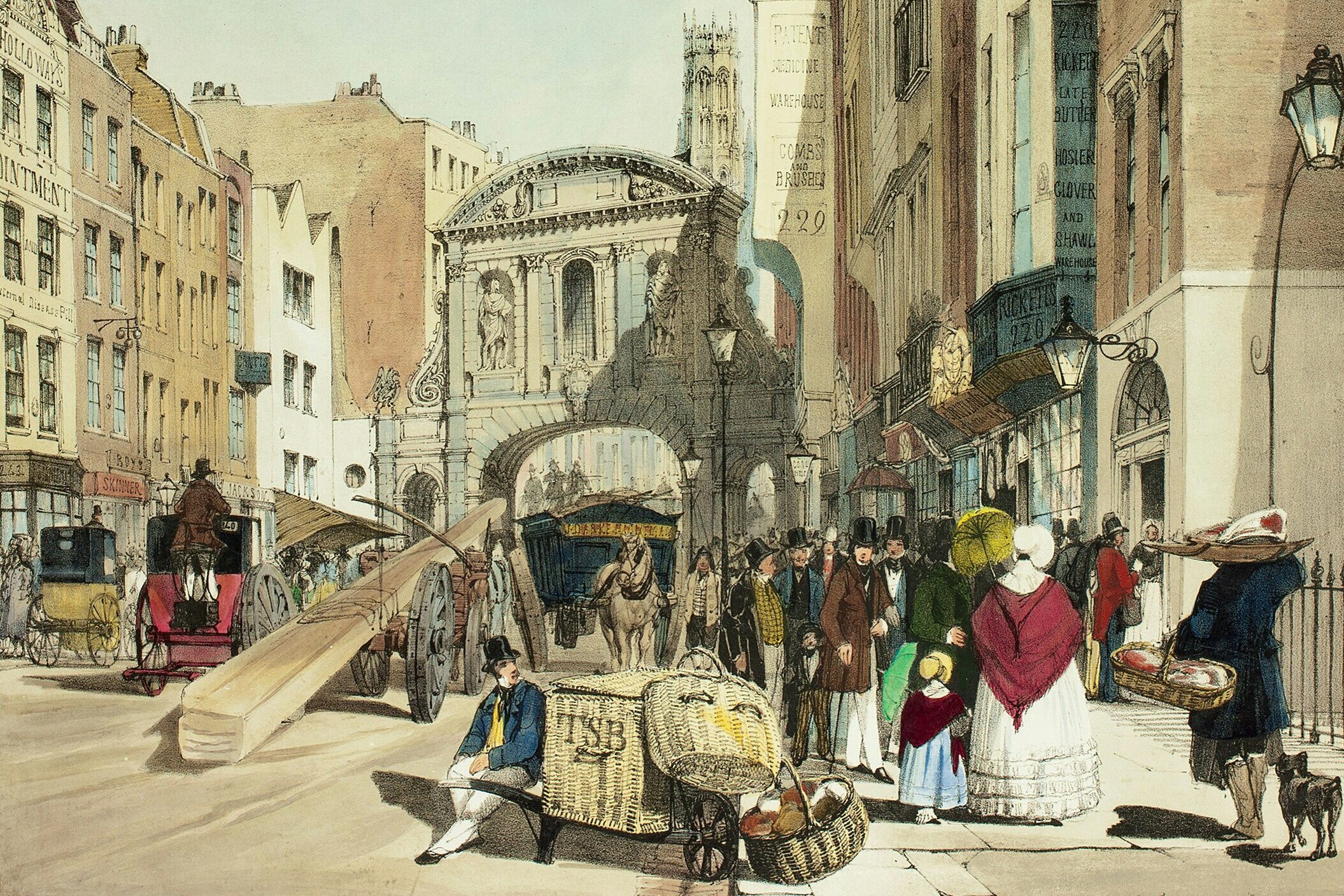
The clerks are the practice managers, the gatekeepers and the institutional memory of the chambers; they handle the initial enquiry, the conflict check, availability and the fee basis, and deliver the brief in a form on which I can properly act. Solicitors and other regulated professionals instruct me in the conventional way. Private individuals, families and family offices may instruct me directly under the Public Access scheme of the Bar of England and Wales.
If any of this sounds familiar, you are very welcome here. Law should not be a black box. It should be a transparent, human-centred discipline that helps you live the life you want, where you want, with the people you love.
This is the first post. The rest will follow.